
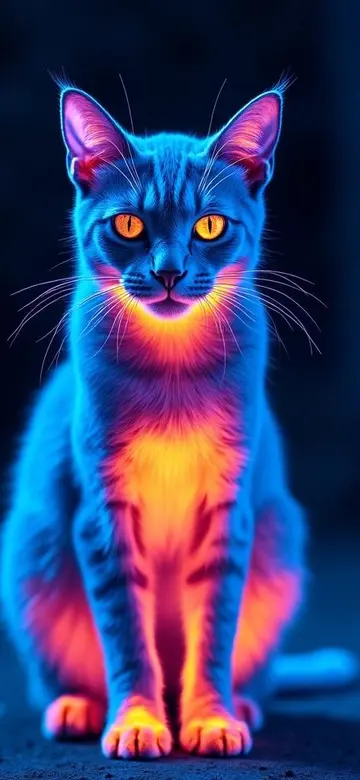
Without extra hardware: create a visual effect
A standard camera records visible light. An app can analyze pixel brightness, edges, and color, then apply Ironbow, Rainbow, Arctic, or Night Vision palettes. That is useful for photography, video, social content, and visual observation, but the colors are not temperatures.
With external hardware: receive thermal data
Phone-compatible thermal accessories contain their own infrared sensor and send data to a dedicated app. They specify resolution, measurement range, accuracy, and refresh rate. Their capabilities are different from a creative filter app.
Choose based on the task
- For quick thermal-style photos or video, use a creative filter app.
- For stronger outlines in a scene with ambient light, try a night vision filter.
- For insulation gaps or overheating equipment, choose an appropriate external thermal imager.
- For medical, electrical, or professional reporting, follow industry requirements and use calibrated equipment.
Avoid three common mistakes
- Reading a vivid color palette as a temperature scale.
- Assuming a filter can see through walls, clothing, or obstacles.
- Expecting real detail in total darkness without light or infrared hardware.
Frequently asked questions
Can I measure temperature without an accessory?
A standard camera filter cannot provide calibrated temperature measurement. Other phone sensors, where present, do not automatically equal a thermal imager.
What is the value of a thermal filter?
It quickly creates a distinctive visual language, remaps light and shadow, and works well for creative photos and video.